




液化天然气和氨动力船舶的液货舱保温系统获日本船级社颁发原则性认可
作者: 发布时间:2025年12月03日 浏览量:402 字体大小: A+ A-
图片来自网络,版权属于原作者
来源:Offshore Energy 2025-12-3
翻译:国际海事信息网 杨皓然 张运鸿
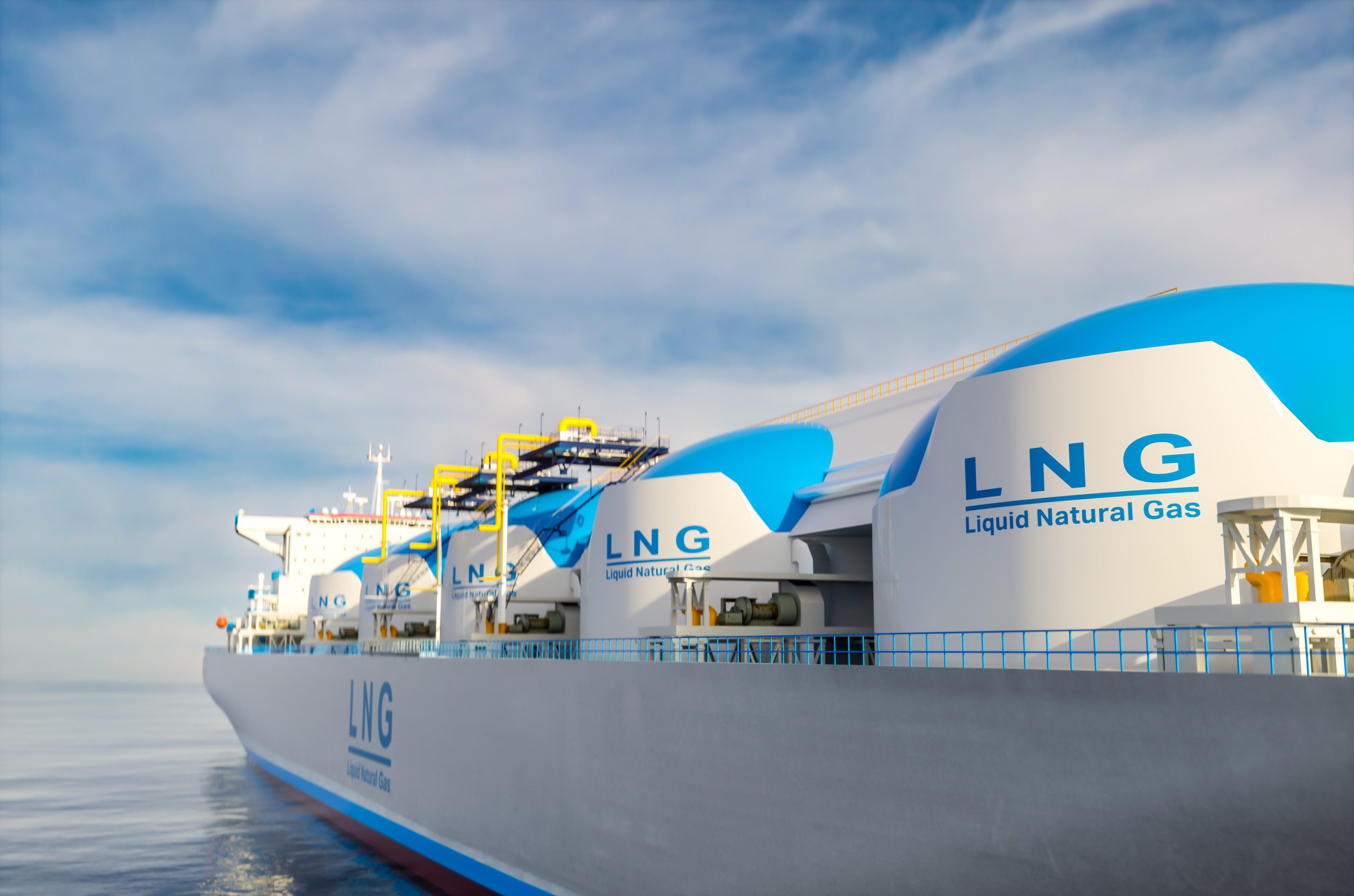
随着航运业面领脱碳化的紧迫挑战,使用替代燃料液化天然气(LNG)与氨燃料为动力的船舶的发展势头正盛。日本船级社近日对储存液化天然气和氨燃料的IMO B型舱的喷涂保温系统颁发了原则性认可(AiP),正是对这一趋势的证明。
尽管IMO C型舱因生产效率和成本优势成为液化天然气燃料船的主流选择,但IMO B型舱正作为替代选项获得认可——其卓越的货运效率和设备灵活性,特别适用于作为大型集装箱船和氨燃料船所需的大容量燃料舱。
针对日本造船公司与韩国碳素公司联合开发的液化天然气和氨燃料IMO B型舱喷涂保温系统的设计理念及模型验证试验结果,日本船级社依据《钢质船舶检验和建造规范/指南》中包含《国际散装运输液化气体船舶构造和设备规则》(IGC Code)的N部分条款,以及涉及《国际散装运输液化气体船舶构造和设备规则》中GF部分条款开展安全审查。
经确认符合相关要求后,日本船级社为该系统颁发了原则性认可(AiP),从合规性和安全性角度验证了该系统的可行性。
日本船级社表示依据国际公约和船舶分类规则等现有法规对该设计进行审查,并在设计初期或确定具体目标船舶前颁发原则性认可(AiP),作为其符合要求的证明。
此举被认为可避免船舶设计后期流程中在合规性方面返工,缩短船级注册时的审查时间,并可作为船舶对外宣传设计状态时的技术依据。
这家日本船级社近期原则性认可了采用夹层板系统(SPS)技术的船舱设计方案,该方案旨在提升船舶针对甲醇和乙醇的双燃料储存能力。该机构表示将持续通过安全评估等途径,为推进先进脱碳举措贡献力量。
(本文版权归国际海事信息网所有,图片版权归原作者,转载请注明出处。)
Tank insulation system for LNG and ammonia-fueled vessels receives ClassNK’s blessing
With the maritime industry facing the pressing challenge of decarbonization, the development of alternative fuel vessels powered by liquefied natural gas (LNG) and ammonia is gaining momentum, as illustrated by an approval in principle (AiP) Japan’s classification society ClassNK has granted for Spray form insulation system of IMO Type B tank for LNG and ammonia fuel.
While IMO Type C tanks have been the mainstream choice for LNG-fueled ships due to their advantages in productivity and cost, IMO Type B tanks are gaining recognition as an alternative, offering superior cargo efficiency and outfitting flexibility for large-capacity fuel tanks required on large container ships and ammonia-fueled vessels.
For the design concept and result of the demonstration mock-up test for the Spray form insulation system of IMO Type B tank for LNG and ammonia fuel developed by Nihon Shipyard and Hankuk Carbon, ClassNK conducted its safety review based on part N of its ‘Rules and Guidance for the Survey and Construction of Steel Ships,’ which incorporates the IGC Code, and also part GF, which entails the IGF Code.
Upon confirming its compliance with the requirements, the Japanese classification society issued the AiP. The certification is said to demonstrate its feasibility from regulatory and safety perspectives.
According to ClassNK, the design is examined based on the existing regulations, such as international conventions and ship classification rules, and an AiP is issued as proof of conformity with requirements at the initial stage of designing or before the specific target ship to be implemented is decided.
This is perceived to prevent rework of regulatory aspects in the post-process, shortens the examination time at the time of class registration, and can be used as a technical basis for external appeal of the design status.
The Japanese classification society, which intends to continually strive to contribute to advanced decarbonization initiatives through safety assessments and other ways, recently gave approval in principle for a tank design concept incorporating Sandwich Plate System (SPS) technology to boost shipboard storage capacity for both methanol and ethanol.
来源:simic